Best Investment Apps in Nigeria: PiggyVest, Cowrywise, Bamboo, Trove and Risevest Compared
Five apps do most of the investing in Nigeria: PiggyVest, Cowrywise, Bamboo, Trove and Risevest. They are not competing for the same job, which is why comparing them on returns alone tells you almost nothing.
PiggyVest and Cowrywise are savings platforms that added investing. Bamboo and Trove are brokerages that let you buy shares. Risevest is a dollar fund manager that invests on your behalf. Pick by which of those three sentences describes what you actually want.
The Comparison, in One Table
| App | What it is really for | Entry point | Notable fee |
|---|---|---|---|
| PiggyVest | Automated saving, with vetted investment offers attached | Low, naira | 3.5% penalty for breaking a Piggybank outside free withdrawal dates |
| Cowrywise | Savings plans and access to SEC registered mutual funds | From about ₦100 on savings | 1.5% processing on some fund and emergency plan transactions |
| Bamboo | Buying US shares directly, plus Nigerian equities | About $20 | 1.5% on US stock trades |
| Trove | The widest asset menu: US, Nigerian and Chinese assets, bonds | From about ₦1,000 | Per trade commission, varies by asset |
| Risevest | Managed dollar portfolios, decisions made for you | From about $1 | Management fee taken from the fund |
Fees and minimums were checked in August 2026. Every one of these platforms has changed its pricing at least once, so confirm inside the app before you fund an account.
PiggyVest: Saving With Discipline Attached
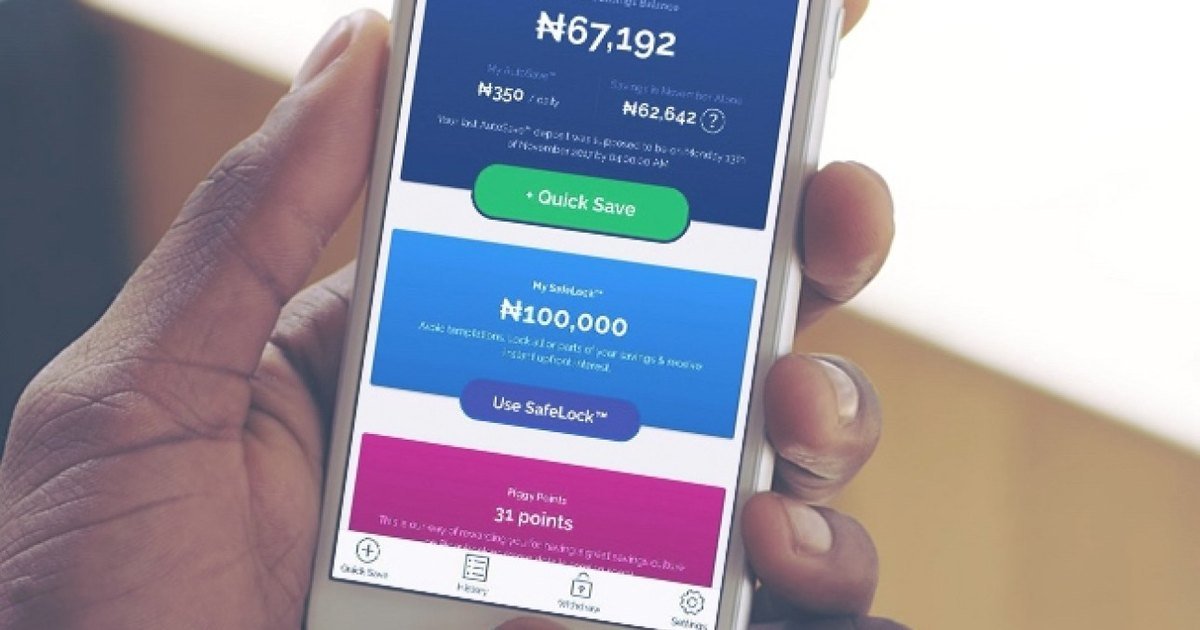
PiggyVest is the most used of the five and the least like an investment platform. Its core product locks money away so you cannot spend it, through automated debits and withdrawal dates you agree to in advance. The investment side, where vetted opportunities are offered to users, sits on top of that.
The 3.5 per cent penalty for breaking a Piggybank early is not a flaw, it is the product. If the penalty annoys you, the app is doing what you signed up for. If you need the money accessible, use a different plan inside the app rather than fighting the one designed to stop you.
Best for anyone whose real problem is spending rather than yield.
Cowrywise: Funds Without the Paperwork
Cowrywise pairs savings plans with access to mutual funds from SEC registered managers, which is its genuine advantage. Buying into a money market fund traditionally meant forms, a bank visit and a minimum in the tens of thousands. Cowrywise reduced that to a phone and a small opening balance.
What matters here is what sits underneath. You are buying somebody else’s fund through a clean interface, so the return is the fund’s return minus its fees, and the fund manager rather than the app is who you are trusting. Read the fund’s own factsheet, not the app’s summary card.
Best for first time investors who want regulated funds without the traditional friction.
Bamboo: Direct Access to US Shares
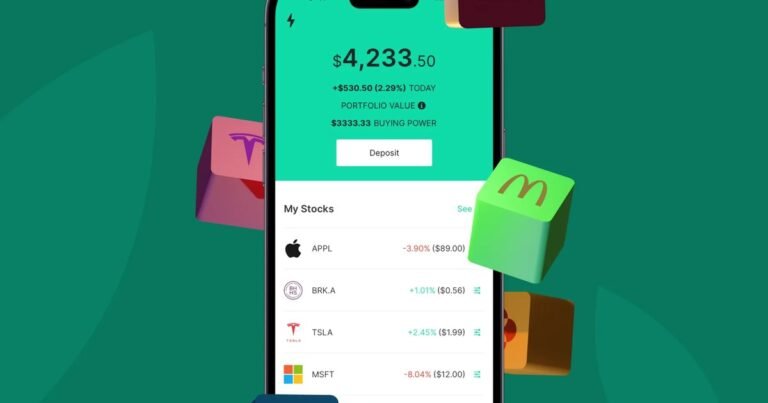
Bamboo was built so Nigerians could buy US stocks directly, and it later added Nigerian equities. You choose the shares. Nobody manages anything for you.
The 1.5 per cent charge on US stock trades is the number to plan around. On a $100 trade that is $1.50 in and, when you sell, again on the way out. It rewards fewer, larger, longer held positions and punishes frequent small trades, which is the opposite of how most new users behave.
Best for people who know which US companies they want to own and intend to hold them.
Trove: The Widest Menu
Trove offers the broadest range of the five: US, Nigerian and Chinese assets, plus bonds and ETFs, from an entry point around ₦1,000. If you want one account covering several markets, this is the one that does it.
Breadth has a cost that is not on the fee schedule. More choice means more chances to build a portfolio you cannot explain, and a beginner is usually better served by two sensible holdings than by access to four markets. Use the range because you have a reason to, not because it is there.
Best for investors who want several markets in one place and know why.
Risevest: Somebody Else Decides
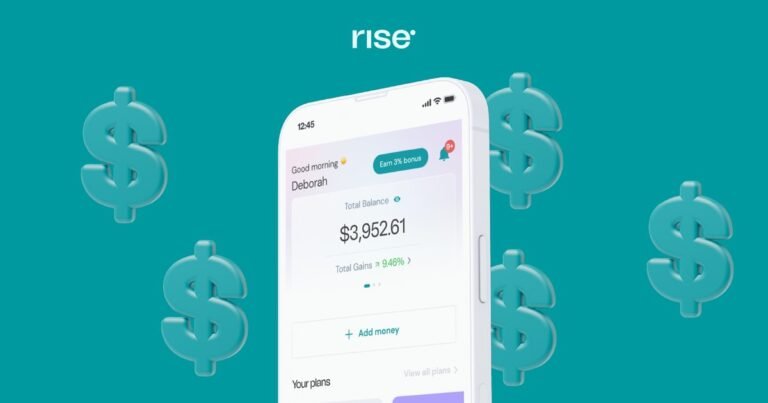
Risevest is structurally different. You are not picking assets, you are choosing a portfolio, and managers allocate across US stocks, US real estate and fixed income on your behalf. Everything is dollar denominated.
That makes it the simplest option for someone who wants dollar exposure and has no interest in choosing securities. It also means you cannot blame yourself for the allocation, and you should look at the actual portfolio composition before assuming a plan labelled real estate behaves the way property does in Nigeria.
Best for hands off dollar exposure.
Which One, by Goal
| If your goal is | Start with | Why |
|---|---|---|
| Stop spending the money | PiggyVest | The lock is the feature |
| Earn more than a bank savings account, safely | Cowrywise | Money market funds from a regulated manager |
| Own Apple, Microsoft or Tesla shares | Bamboo | Direct US equity, you choose |
| Hold several markets in one account | Trove | Widest asset range of the five |
| Dollar exposure without picking anything | Risevest | Managed dollar portfolios |
| Beat 15.43% inflation in naira | A money market or bond fund first | Start with the risk free rate before adding risk |
The Bank Backed Options Most Comparisons Skip
The five apps above are fintech products. The traditional asset managers, Stanbic IBTC, ARM and Meristem among them, run their own apps and have managed Nigerian money for decades longer. They rarely appear in app roundups because they spend less on marketing, not because they are worse.
What you get from them is a longer track record and a fund range that includes products the fintech apps resell anyway. What you give up is interface quality and, often, a higher minimum. If you are putting a serious sum into a money market or balanced fund rather than experimenting with ₦5,000, it is worth comparing the manager’s own app against the fintech front end, because you may be paying a layer of fees for a nicer screen.
There is also a plain option that gets forgotten. Your own bank sells treasury bills, and if you already hold ₦50,000 or more, buying directly removes the fund manager’s fee entirely. It is less convenient and it pays the full auction rate rather than the rate minus somebody’s cut.
The Risks Nobody Puts on the Home Page
- Currency risk cuts both ways. A dollar portfolio gains in naira terms when the naira weakens and loses when it strengthens. The naira firmed to around ₦1,350 on the official market in August 2026, and anyone who bought dollars at a weaker rate felt that.
- Platform risk is real and separate from market risk. Your shares may be held through a chain of custodians and partner brokers. Read how assets are held and in whose name, which the terms will tell you and the marketing will not.
- US market risk is not diversification by itself. Owning five American technology companies is a concentrated bet, whatever country you bought it from.
- Withdrawal timing. Dollar withdrawals can take days and may be subject to processing windows. Test the exit with a small amount before you need it to work.
- Regulation covers the operator, not your returns. Trove, Bamboo and Cowrywise operate under SEC oversight. Risevest is a more instructive case: the SEC publicly warned in January 2025 that its Nigerian entities were unlicensed, and it only secured a Fund and Portfolio Manager licence on 22 February 2026, through a subsidiary, RV Fund Management Limited. It is licensed now. The lesson is that licence status is a moving target, so check the register rather than an article. And regulation constrains how an operator behaves; it never makes a losing investment whole.
How to Check a Platform Yourself
Do this before funding any account, including the ones named here.
- Search the operator’s name on the Securities and Exchange Commission register. A CAC registration is not a licence to manage investments.
- Find who holds the assets. A named custodian and broker is a good sign, silence is not.
- Read the fee page rather than the marketing page, and look specifically for withdrawal and early exit charges.
- Move a small amount in and back out again before committing a meaningful sum.
Common Questions
Which investment app is best in Nigeria?
There is no single best. PiggyVest suits people who overspend, Cowrywise suits first time fund investors, Bamboo suits direct US share buyers, Trove suits multi market investors and Risevest suits hands off dollar exposure.
Are these apps regulated?
Trove, Bamboo and Cowrywise operate under SEC oversight. Risevest was publicly warned by the SEC as unlicensed in January 2025 and obtained a Fund and Portfolio Manager licence on 22 February 2026 through its RV Fund Management subsidiary. Confirm current status on the SEC register yourself, because licences are granted, varied and withdrawn over time.
How much do I need to start?
Cowrywise savings start around ₦100 and Trove around ₦1,000. Risevest starts near $1 and Bamboo around $20. Small amounts are for learning the mechanics, not for building wealth.
Can I lose money on these apps?
Yes. Shares fall, funds have bad years, and currency moves against you as easily as for you. Only money market and government backed instruments come close to stable, and even they lose to inflation in a bad year.
Is PiggyVest an investment app?
Primarily it is a savings app with investment offers attached. If your goal is market exposure rather than enforced discipline, one of the brokerages fits better.
Which app is best for dollar investment?
Risevest if you want the decisions made for you, Bamboo or Trove if you want to choose the US assets yourself.
Do these apps charge withdrawal fees?
Some do, and some charge penalties for early exit rather than withdrawal itself, such as the 3.5 per cent for breaking a PiggyVest plan outside its free dates. Check the current fee schedule in the app.
The Short Version
Choose by job, not by advertised return. Savings discipline goes to PiggyVest, regulated funds to Cowrywise, direct US shares to Bamboo, breadth to Trove, managed dollars to Risevest. Verify the licence on the SEC register, read the fee page rather than the landing page, and test a withdrawal before you rely on one.
Before You Fund an Account
Fees, minimums and product ranges in this review were checked in August 2026 and change regularly. Treat everything here as the starting point for your own check inside the app, and remember that with naira inflation at 15.43 per cent, an investment has to clear that bar before it is doing anything for you at all.
Disclaimer: this article is general information, not financial advice. We are not licensed financial advisers and are not regulated by the SEC or the Central Bank of Nigeria. Rates, fees, minimums and a platform’s regulatory status change, and the figures here were accurate on the date shown above. Investing carries risk, including losing money, and past performance does not indicate future results. Confirm current terms with the institution and speak to a licensed adviser before committing money. See our full disclaimer.