Tourist Destinations in Nigeria: The Places Worth the Journey, Region by Region
Nigeria has two UNESCO World Heritage Sites: the Sukur Cultural Landscape in Adamawa, inscribed in 1999, and the Osun Osogbo Sacred Grove in Osun, inscribed in 2005. Not eleven, which is what a surprising number of Nigerian travel articles claim by counting the tentative list as though it were the real one.
That is a useful place to start, because the gap between what is written about Nigerian tourism and what you will actually find when you arrive is the single biggest problem travellers here have. This guide covers the places worth the journey, grouped by region, with honest notes on access.
The Two That Carry World Heritage Status
Sukur Cultural Landscape, Adamawa. A hilltop settlement above the Mandara mountains with terraced fields, stone paved walkways and the palace of the Hidi, the traditional ruler. It is the first African cultural landscape inscribed by UNESCO and it remains largely as it has been for centuries. Access involves a climb and the region has seen security disruption over the past decade, so check current conditions before planning a trip.
Osun Osogbo Sacred Grove, Osun. Dense forest along the Osun river, filled with shrines and sculptures dedicated to the goddess Osun, and the last intact sacred grove of its kind in Yoruba culture. It is reachable and well organised, and the annual festival in August draws visitors from across the world. Of everything on this page, this is the one that most reliably delivers what it promises.
South West
| Place | State | What it is | Worth knowing |
|---|---|---|---|
| Olumo Rock | Ogun | A granite outcrop used as a wartime refuge, now with steps and a lift to the summit | Central Abeokuta, easy half day from Lagos |
| Idanre Hills | Ondo | An old hilltop town reached by 660 steps, with the original settlement preserved above | The climb is the experience, go early |
| Erin Ijesha Falls | Osun | Also called Olumirin, a waterfall of several climbable tiers | Slippery, wear proper shoes |
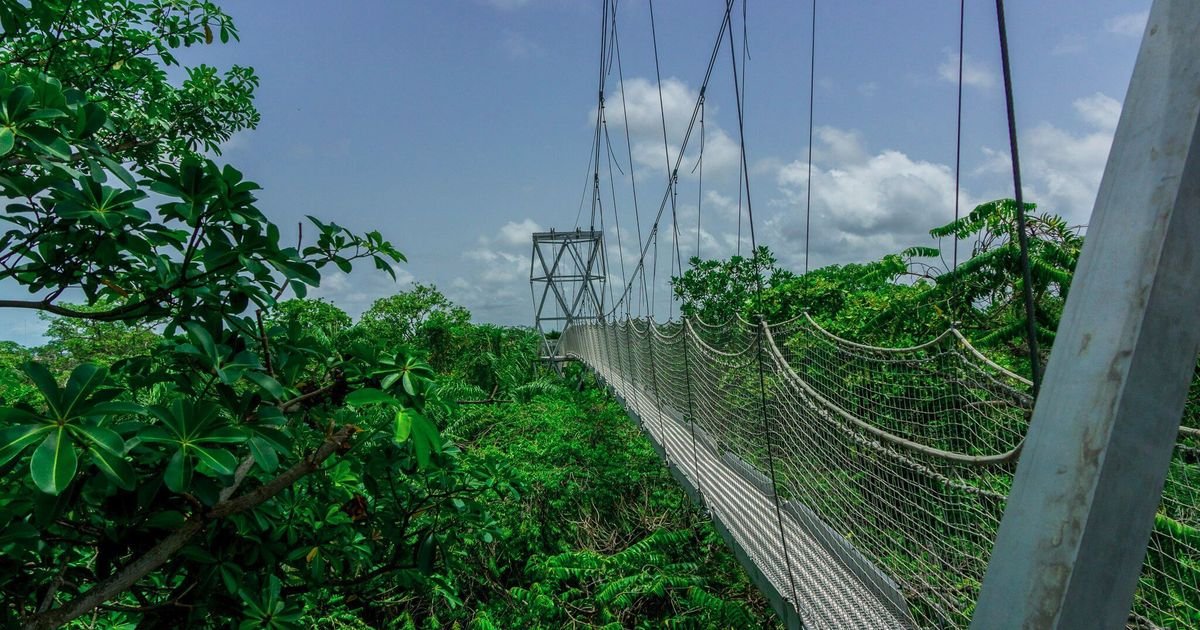
| Lekki Conservation Centre | Lagos | Protected wetland with one of Africa’s longest canopy walkways | The easiest nature outing inside Lagos |
| Badagry heritage sites | Lagos | Slave route landmarks, museums and the point of departure | Sobering rather than scenic, and important |
| Nike Art Gallery | Lagos | Four floors of Nigerian art in Lekki | Free entry, unusually generous hosts |
The South West is where Nigerian tourism actually works. Sites are close to Lagos and Ibadan, roads are reasonable, and a weekend covers two or three comfortably.
South East and South South
| Place | State | What it is | Worth knowing |
|---|---|---|---|
| Obudu Mountain Resort | Cross River | A plateau resort at altitude with genuinely cool weather | The drive up is long and winding, confirm facilities before booking |
| Agbokim Falls | Cross River | Seven cascades falling into a gorge near the Cameroon border | Best in and just after the rains |
| Ogbunike Caves | Anambra | A cave system in use for centuries, still ritually significant | Shoes are removed before entry, respect the customs |
| Awhum Waterfall | Enugu | A monastery, a forest walk and a waterfall over rock | Combine with Ngwo Pine Forest nearby |
| Calabar Carnival | Cross River | Nigeria’s largest street carnival, every December | Book accommodation months ahead |
Cross River has done more with tourism than any other state, and Calabar is the cleanest major city in the country by common consent. If you are choosing one region for a first trip beyond Lagos, this is a strong candidate.
North Central
| Place | State | What it is | Worth knowing |
|---|---|---|---|
| Zuma Rock | Niger | The monolith on the Abuja Kaduna road, with a face visible in the stone | Viewed from the road by most people, climbing is restricted |
| Gurara Falls | Niger | A wide curtain waterfall on the Gurara river | Spectacular in the wet season, modest in the dry |
| Farin Ruwa Falls | Nasarawa | One of the highest falls in Nigeria, dropping from the plateau | Rough final approach, go with a local guide |
| Riyom Rock and Jos Plateau | Plateau | Balanced rock formations and the coolest climate in Nigeria | Jos is genuinely cold at night by Nigerian standards |
The North
| Place | State | What it is | Worth knowing |
|---|---|---|---|
| Yankari Game Reserve | Bauchi | Nigeria’s best known wildlife reserve, with the Wikki Warm Springs | The springs run clear and warm year round |
| Kajuru Castle | Kaduna | A privately built European style castle in the hills | Bookings only, it is a private property |
| Kano old city | Kano | City walls, the Gidan Makama museum, the Kurmi market and the emir’s palace | The most complete historic city fabric in Nigeria |
| Argungu Fishing Festival | Kebbi | A mass fishing competition on the river, held when conditions allow | Dates move, confirm before travelling |
| Mambilla Plateau | Taraba | Highland tea country at the top of the country | A hard journey and an extraordinary destination |
Security conditions vary considerably across northern states and change. Check current government travel advice and local guidance close to your travel date rather than relying on any article, including this one.
Festivals Worth Timing a Trip Around
Nigeria’s cultural calendar delivers more reliably than its infrastructure. If you can move your dates, build the trip around one of these rather than fitting a festival into a trip.
| Festival | Where | Roughly when | What it is |
|---|---|---|---|
| Osun Osogbo | Osogbo, Osun | August | Two weeks of rites ending in a procession to the sacred grove, at the country’s most important heritage site |
| Calabar Carnival | Calabar, Cross River | December | Street bands, costumes and a month of events, the largest carnival in the country |
| Durbar | Kano, Katsina, Zaria and other emirates | Tied to the Eid celebrations | Massed horsemen in formation before the emir, the most visually striking event in northern Nigeria |
| Argungu Fishing Festival | Argungu, Kebbi | Varies, when river conditions allow | A mass fishing competition with thousands entering the water at once |
| Ojude Oba | Ijebu Ode, Ogun | Third day after Eid al Adha | Age grades parading before the Awujale in full dress, with horsemen |
| Eyo | Lagos Island | Irregular, announced in advance | White robed masquerades filling the streets of the old island |
Two practical warnings. Dates for several of these move with the lunar calendar or with river and weather conditions, so confirm through the state tourism board rather than assuming last year’s date repeats. And accommodation near any of them is booked out well in advance, particularly Calabar in December, so the trip is planned months ahead or not at all.
When to Go
The dry season, roughly November to March, is the practical window for almost everything on this page. Roads are passable, unpaved approaches are not mud, and outdoor sites are open.
Two exceptions. Waterfalls are at their best during and just after the rains, so Gurara, Farin Ruwa and Agbokim reward a wet season visit even though getting to them is harder. And harmattan, roughly December to February, brings dust that flattens visibility, which matters if you are going somewhere for the view.
What to Expect, Honestly
- Facilities are inconsistent. Some sites have guides, signage and clean toilets. Others have a gate, a fee and nothing else. Assume the second and be pleased by the first.
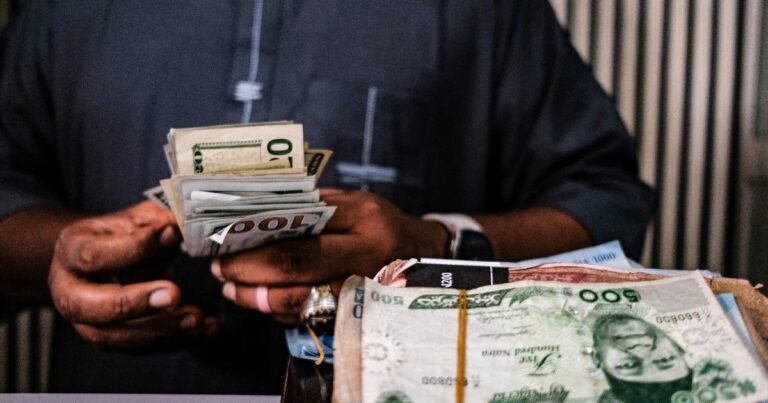
- Entry fees change and are often cash only. Carry small notes. Fees quoted online are frequently out of date, so do not plan around them.
- Photography may cost extra, particularly with a camera rather than a phone, and at sacred sites it may be restricted entirely.
- Guides are worth paying for, and at cave and grove sites they are the difference between seeing rocks and understanding what you are looking at.
- Roads decide your day. Distances in Nigeria are measured in hours rather than kilometres, and a 200 kilometre trip can take five hours.
- Book ahead for the resorts. The number of decent rooms near most sites is small, and festivals fill them completely.
Common Questions
How many UNESCO World Heritage Sites does Nigeria have?
Two: the Sukur Cultural Landscape in Adamawa, inscribed in 1999, and the Osun Osogbo Sacred Grove in Osun, inscribed in 2005. Articles claiming eleven are counting the tentative list, which is a list of proposals rather than inscribed sites.
What is the best time to visit Nigeria?
November to March, the dry season, for road access and outdoor sites. Waterfalls are better during and just after the rains, and harmattan dust between December and February reduces visibility.
Which Nigerian state is best for tourism?
Cross River has invested most consistently, with Obudu, Agbokim and the Calabar Carnival. Osun holds the country’s most rewarding heritage site, and Lagos has the widest range of things to do in a small area.
Is it safe to travel around Nigeria?
It varies by region and changes over time. The South West and South South are generally straightforward for domestic travel. For the North East and parts of the North West, check current advisories close to your travel date and take local advice.
Do I need a guide?
At caves, groves and heritage sites, yes, both for context and because some places have customs that a visitor will not know. At a waterfall or a resort, no.
What is there to do in Lagos for a weekend?
Lekki Conservation Centre for the canopy walkway, Nike Art Gallery for art, Badagry for the heritage sites, and Tarkwa Bay for a beach reachable only by boat.
Can you climb Zuma Rock?
Access is restricted and most visitors view it from the Abuja Kaduna road. Treat it as a landmark to stop for rather than a climb to plan.
In Brief
Two World Heritage sites, one of them easily reachable and genuinely worth the trip. The South West is the simplest region to explore, Cross River has the most developed tourism, the North holds the most striking landscapes and the most planning. Go in the dry season, pay for guides, carry cash, and measure distance in hours.
Before You Travel
Entry fees, opening arrangements and road conditions change constantly, and security guidance for northern states changes faster. Confirm locally before you set out, and treat any fee or timing quoted in an article as a starting point rather than a fact.