Best Places to Live in Nigeria: An Honest City by City Comparison
The honest answer is that it depends on one thing: where your income comes from. If it comes from a Lagos employer, live in Lagos. If it is remote or dollar denominated, almost anywhere else in Nigeria gives you a better life for the same money.
Everything below assumes that filter has already been applied. These are the trade offs each city actually asks you to make.
The Four Things That Decide It
- Commute. In Lagos this is the single largest quality of life variable. Three hours a day in traffic costs more than the rent you saved by moving further out.
- Power. Grid supply varies enormously by neighbourhood, not just by city. Ask specifically how many hours a day the area gets, and budget for fuel or an inverter.
- Water. Most Nigerian households supply their own. A borehole on the property is worth more than an extra room.
- Security. This is street level rather than city level. A safe city has streets to avoid and a troubled state has calm neighbourhoods.
Lagos
Nigeria’s economic centre, and the only city where a career in most industries can be built without relocating later. It is also the most expensive, most crowded and most demanding place to live in the country.
| Area | Suits | The trade off |
|---|---|---|
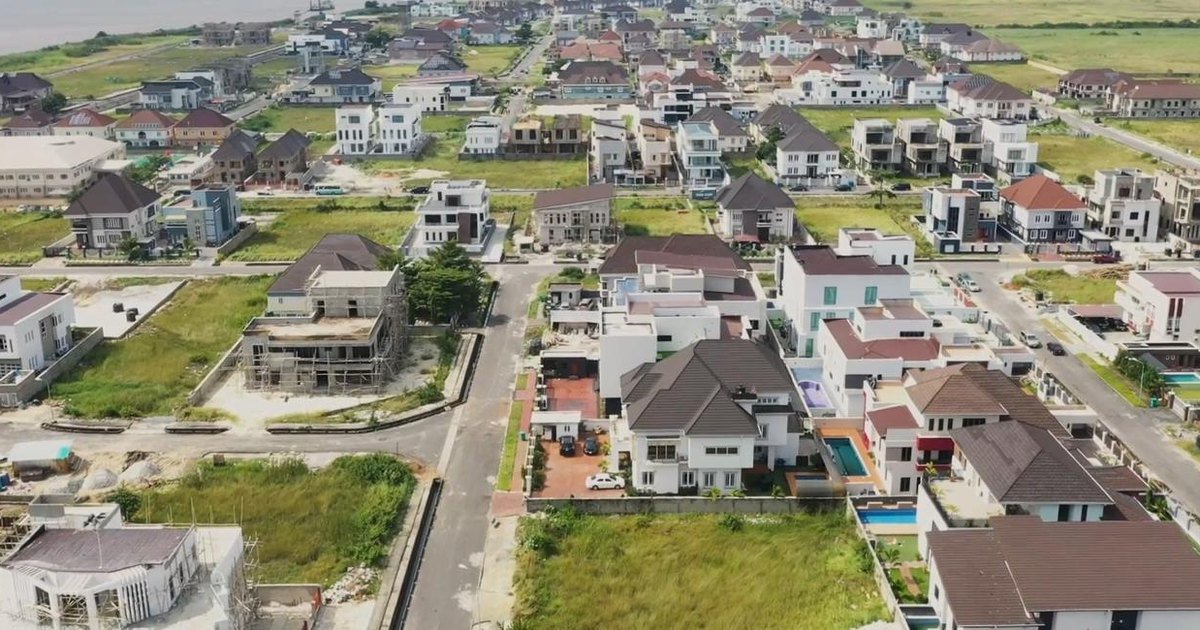
| Lekki and Ajah | Professionals, newer housing, planned estates | One road in and out, traffic is structural |
| Ikeja and Maryland | Anyone working on the mainland, airport access | Older stock, but central and better connected |
| Yaba and Surulere | Tech workers, students, lower rent than the island | Dense and noisy |
| Magodo and Omole | Families wanting estate security | Priced accordingly |
| Festac and Amuwo | Value for space | Long commute to the island |
The mistake newcomers make is choosing a home before understanding where they will actually be each day. Lagos punishes that more than any other Nigerian city, because crossing from mainland to island at the wrong hour can consume two hours in one direction.
Note also that a large share of what people call Lagos is administratively Ogun State. Mowe, Ibafo, Magboro and Sango Ota are Ogun addresses, which matters for rent, for state taxes and for anything that verifies an address against a state.
Abuja
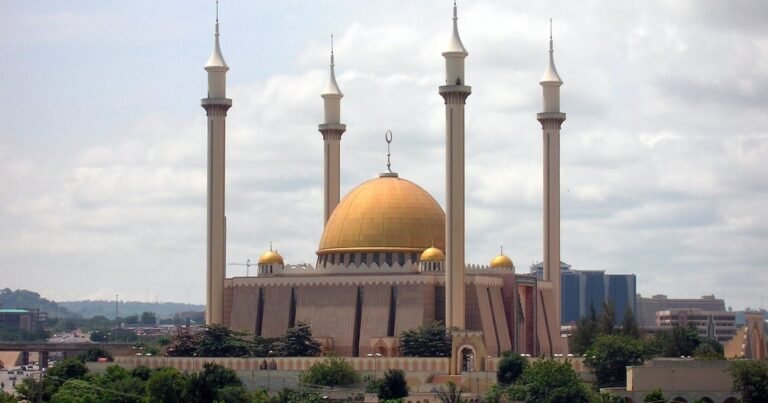
Planned, spacious and orderly in a way no other Nigerian city is. Roads are wide, districts are laid out, and addresses actually resolve, which is why postal addressing in the FCT works better than anywhere else in the country.
| Area | Suits | The trade off |
|---|---|---|
| Maitama and Asokoro | Executives, diplomats | The most expensive addresses in Nigeria |
| Wuse and Garki | Central living, close to offices | Busy and priced for it |
| Gwarinpa | Families, one of Africa’s largest estates | Distance from the centre, traffic at peak |
| Jabi and Utako | Young professionals | Mid range prices, good access |
| Lugbe, Kubwa, Karu | Value seekers | Commute, and Karu is in Nasarawa State |
The catch is cost relative to earnings. Abuja’s economy is government and services, so unless your income is tied to that or arrives from elsewhere, salaries do not stretch as far as the city’s appearance suggests. And the satellite belt at Mararaba and Masaka is in Nasarawa State, not the FCT, which surprises people at bank verification.
Port Harcourt
Oil and gas money makes Port Harcourt a genuinely high earning city for people in that sector, and the GRA phases are among the better residential areas in the south. Outside the sector, the economy is narrower than the wealth on display suggests.
Rain is the everyday factor people underestimate. Port Harcourt is one of the wettest cities in Nigeria and drainage determines whether a street is liveable in the wet season. Visit a prospective house during rain if you possibly can.
Ibadan
The value proposition in Nigeria right now. Ibadan offers space, established neighbourhoods such as Bodija and Jericho, a university culture, and rents far below Lagos, roughly two hours away on the expressway.
It suits remote workers and Lagos commuters who travel a few days a week rather than daily. The limitation is the job market: outside education, health and trade, professional opportunities are thinner than the city’s size implies.
Enugu, Uyo and Calabar
These three come up repeatedly among people who have left Lagos and not gone back.
- Enugu is calm, cheap by comparison, and laid out well because it was a regional capital. Independence Layout and GRA are the established areas. The job market is modest.
- Uyo has a reputation for cleanliness and low street crime, and a state government that has invested in roads. It is quiet, which is either the attraction or the problem.
- Calabar is the cleanest major city in Nigeria by common consent, with tourism infrastructure and the December carnival. It is also relatively isolated, and travel in and out costs time.
Where the Money Goes
Rents move too fast for figures in an article to be worth anything, so use ratios instead. As a rough working guide, a comparable three bedroom flat costs several times more in Lekki than in Ibadan or Enugu, with Abuja’s mid range districts sitting between them. Check current listings for the specific neighbourhood rather than the city.
Three costs people forget when comparing cities:
- Fuel for generators, which is a monthly bill in poorly supplied areas and near zero in well supplied ones.
- Transport, which in Lagos can rival a rent difference on its own.
- Agency and legal fees at the start of a tenancy, which in Lagos commonly add a substantial premium on top of the first year’s rent.
What Changes When You Cross a State Line
Moving within Nigeria is administratively lighter than moving countries, but four things do change with the state, and people discover them after the lease is signed rather than before.
- Your tax authority. Personal income tax for employees is remitted to the state where you reside, so moving from Lagos to Ogun changes which internal revenue service holds your record, and which one issues the tax clearance certificate you may later need for a visa or a contract.
- Vehicle papers. Registration, plate numbers and the associated renewals are state administered. A move usually means a new set of documents rather than a transfer.
- School fees and admissions. State owned institutions commonly charge indigenes less than non indigenes, and residency alone does not make you an indigene. If university costs are part of your calculation, check the specific institution’s policy rather than assuming.
- Your postal code and address of record. Banks verify addresses against the state you declare, which is exactly where the Lagos and Ogun, and Abuja and Nasarawa, boundaries catch people out.
None of these is a reason to stay put. They are simply the paperwork the move generates, and the sequence that saves the most trouble is to update your bank address first, since almost everything else asks for a bank statement as proof.
If You Work Remotely
Remote and dollar earning workers have the widest choice and should optimise differently. Power reliability and internet quality matter more than proximity to a business district, which unlocks Ibadan, Enugu, Uyo, Abeokuta and the quieter parts of Abuja.
Test before committing. Spend a week in the specific neighbourhood, run a video call at the times you actually work, and ask neighbours how many hours of grid power the street gets. Estate marketing will not tell you and the answer varies street by street.
Common Questions
What is the best city to live in Nigeria?
Abuja for space, order and safety if your income supports it. Lagos if your career requires it. Ibadan, Enugu or Uyo if you earn remotely and want your money to go further.
Which city is cheapest to live in?
Among the larger cities, Ibadan, Enugu, Uyo and Abeokuta consistently cost less than Lagos, Abuja and Port Harcourt for comparable housing.
Is Lagos worth it?
If your work is there, yes, because no other Nigerian city offers the same range of opportunity. If your work is not there, you are paying Lagos prices and Lagos commuting for something you could have elsewhere.
Where should I live in Lagos on a moderate budget?
The mainland. Yaba, Surulere, Ikeja and Festac give more space per naira than the island, and the deciding factor should be your daily destination rather than the address itself.
Is Abuja safer than Lagos?
Abuja is generally quieter and better organised, but safety is a street level question in both cities. Ask specifically about the estate or street, not the city.
Is Mararaba in Abuja?
No. Mararaba, Masaka and Ado are in Nasarawa State, and Suleja is in Niger State, even though all of them function as Abuja suburbs. This matters for address verification and state taxes.
Which city is best for remote workers?
Anywhere with reliable power and internet, which puts Ibadan, Enugu, Uyo and parts of Abuja ahead of a Lagos suburb with a long commute you no longer need to make.
The Short Version
Let your income source choose the city and let your daily destination choose the neighbourhood. Lagos for careers, Abuja for order, Port Harcourt for the oil sector, Ibadan and Enugu and Uyo for value. Then check power, water and the street itself, because those decide daily life far more than the city on the envelope.
Before You Sign a Lease
Visit at the hour you would commute, visit in rain if you can, ask neighbours about grid supply, and confirm which state your address is actually in if you are anywhere near the Lagos or Abuja boundaries. That last one costs people real time at banks and on official forms.