How Much Do I Need to Start a Mutual Fund in Nigeria?
Less than most people think. You can start a mutual fund in Nigeria with as little as ₦1,000 through an investment app, and some savings platforms let you begin around ₦100. Buying directly from an asset manager usually asks for more, often ₦5,000 to ₦50,000 depending on the fund and the firm.
The more useful question is not the minimum but the sensible starting amount, because a fund that costs you 1.5 per cent a year in fees behaves very differently on ₦1,000 than on ₦500,000. Here is what each route asks for and what makes sense to begin with.
1. The Minimums by Route
| Route | Typical minimum | What you get |
|---|---|---|
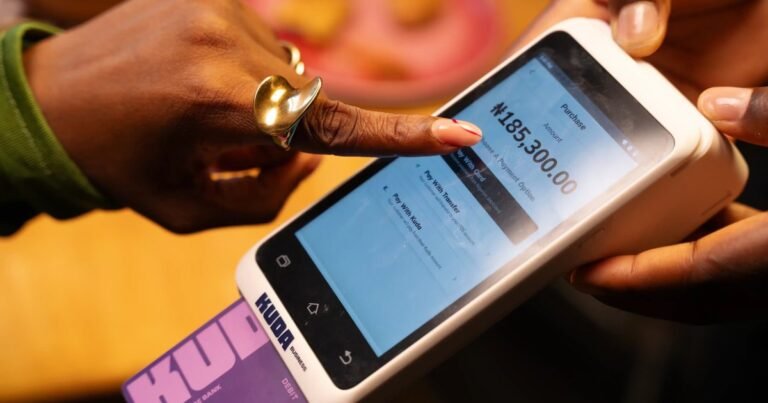
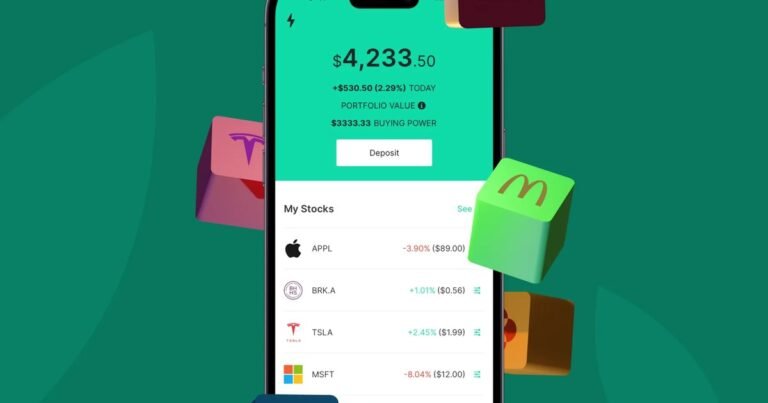
| Savings and investment apps | From about ₦100 to ₦1,000 | Access to registered funds through a simple interface |
| Asset manager directly | Commonly ₦5,000 to ₦50,000 | The manager’s full fund range, no intermediary |
| Through your bank | Varies, often higher | Branch support and a named officer |
| FGN Savings Bond | ₦5,000, multiples of ₦1,000 | Not a mutual fund, but the cheapest government paper |
Those app minimums are genuinely low, and they exist because platforms compete on accessibility. What they do not tell you is that the same fund is available directly from the manager, sometimes at a different total cost, and that convenience is a product being sold to you like any other.
2. Why the Minimum Is the Wrong Number to Focus On
Consider ₦1,000 in a money market fund yielding 16 per cent. After a year, before fees, that is ₦160. After a management fee it is perhaps ₦145. Against inflation of 15.43 per cent, your ₦1,145 buys almost exactly what ₦1,000 bought a year earlier.
That is not a criticism of the fund. It is arithmetic. Small amounts produce small results, and the value of starting small is not the return, it is the education. You learn how the platform works, how long withdrawals take, what the statements look like and how you feel watching a balance move. Those lessons are worth having before larger money is involved.
So treat the first ₦1,000 as tuition rather than investment, and judge the platform rather than the profit.
3. What a Sensible Starting Amount Looks Like
There is no universal figure, but there is a useful test. Your starting amount should be large enough that the annual fee is not the dominant feature and small enough that you would not be distressed if the value dropped for a year.
For most people beginning with a money market fund, an amount equal to one month of expenses is a practical target, because it doubles as the beginning of an emergency fund. Money market funds are liquid, low in price volatility and easy to reach, which is exactly what emergency money should be.
Equity funds are different. Because they move sharply, the sensible starting amount is whatever you can genuinely leave untouched for at least five years. If that number is small, start small. The horizon matters more than the sum.
4. Building With Monthly Contributions
The most effective approach for a Nigerian salary earner is not a large opening amount but a recurring one. Most platforms allow automatic monthly debits, and the discipline does more work than the timing.
Contributing a fixed amount monthly means you buy more units when prices are low and fewer when they are high, which removes the impossible task of choosing a moment to invest. It also converts investing from a decision you must make repeatedly into a process that runs without you.
A practical structure many people use: a standing monthly amount into a money market fund until three months of expenses are covered, then splitting new contributions between that fund and something longer term.
5. The Costs to Check Before You Commit Anything
- Management fee. Charged annually as a percentage of your holding, deducted before the return you see.
- Total expense ratio. The full annual cost including administration, which is the number that actually matters.
- Entry or exit charges. Some funds apply them, some do not, and they change the arithmetic on short holdings substantially.
- Processing fees on transactions. Some platforms charge on certain fund and plan movements, so read the specific product terms rather than the general fee page.
- Minimum holding periods. A fund you can only exit after a notice period is a different product from one you can leave in days.
On a ₦10,000 investment, a 1.5 per cent annual fee is ₦150 and barely noticeable. On ₦1,000,000 it is ₦15,000 a year, every year, which is why larger investors negotiate and compare while smaller ones rarely bother.
6. Where to Start, by Situation
| If you | Start with | Amount |
|---|---|---|
| Have never invested before | A money market fund on an app | Whatever the minimum is, to learn the mechanics |
| Have an emergency fund already | A money market or fixed income fund | One month of expenses upward |
| Are saving for something five years out | A balanced or equity fund | Monthly contributions rather than a lump sum |
| Have a lump sum from a bonus or sale | Split it: liquid fund plus government paper | Do not put it all in one product on one day |
| Want the least possible risk | FGN Savings Bond or a money market fund | ₦5,000 for the bond, less for the fund |
7. Three Mistakes People Make at the Start
Waiting for a bigger amount. The most common one. People decide they will begin investing when they have ₦500,000, and the ₦500,000 never quite arrives because there is always something. Starting with ₦5,000 today teaches you the process and builds the habit, and the habit is what eventually produces the ₦500,000. The amount is not the barrier people think it is.
Choosing a fund by its headline return. A fund advertising 40 per cent last year is telling you what happened, not what will happen, and funds that produce spectacular years usually do so by taking risks that also produce bad ones. A money market fund at 16 per cent that never frightens you is worth more to a beginner than an equity fund at 55 per cent that you will abandon during its first bad quarter.
Investing money that is already spoken for. School fees due in four months, rent due in six, a wedding contribution promised for December. Money with a date attached does not belong in anything that fluctuates, and putting it there creates the exact situation where you are forced to sell at a bad moment. Work out what the money is for before deciding where it goes, not afterwards.
All three mistakes share a root: treating the fund choice as the important decision. It is not. The important decisions are how much you contribute, how regularly, and how long you leave it alone. Those three determine most of your outcome, and none of them appears in a fund advertisement.
Frequently Asked Questions
What is the minimum amount to start a mutual fund in Nigeria?
Around ₦1,000 through most investment apps, and some savings platforms start near ₦100. Buying directly from an asset manager typically requires ₦5,000 to ₦50,000 depending on the fund.
Can I start with ₦5,000?
Yes, comfortably, on any app based route and on many funds bought directly. At that level treat it as learning the process rather than as a wealth building step.
Is it better to invest a lump sum or monthly?
Monthly contributions suit salary earners because they remove the need to time the market and build the habit. Lump sums are better split across a few dates rather than committed on one.
Do I need a lot of money to buy treasury bills instead?
At bank level, commonly ₦50,000 to ₦500,000. The FGN Savings Bond is the cheaper government route at ₦5,000, and money market funds give similar exposure from about ₦1,000.
Are the fees worth it for a small investment?
Proportionally they hurt more on small amounts. That is an argument for starting small deliberately and briefly, then increasing, rather than for avoiding funds altogether.
How long should I keep money in a mutual fund?
Money market funds suit any horizon including short ones. Bond funds suit a few years. Equity funds need five years or more, because shorter periods are where losses become permanent.
Conclusion
You can start a Nigerian mutual fund with ₦1,000, and on some platforms less. Do that first to learn the mechanics, then decide the real amount based on your timeline rather than the minimum. Money needed soon belongs in a money market fund, money for years away can tolerate equities, and monthly contributions beat waiting for a good moment.
Check the total expense ratio, confirm the manager on the SEC register, and measure any return against 15.43 per cent inflation. Figures checked August 2026.
Disclaimer: this article is general information, not financial advice. We are not licensed financial advisers and are not regulated by the SEC or the Central Bank of Nigeria. Rates, fees, minimums and a platform’s regulatory status change, and the figures here were accurate on the date shown above. Investing carries risk, including losing money, and past performance does not indicate future results. Confirm current terms with the institution and speak to a licensed adviser before committing money. See our full disclaimer.