Bamboo App Review: The Fees, the Limits and the Fine Print
Short verdict: Bamboo is a legitimate, SEC registered way for Nigerians to own US shares, and it is best suited to someone investing a meaningful amount and leaving it alone for years. It is a poor fit for small balances traded often, because a 1.5 per cent trade fee and a flat $45 dollar withdrawal charge hit small and frequent users hardest.
This review covers what it costs, what it limits, and the fine print that decides whether it suits you.
1. What Bamboo Actually Is
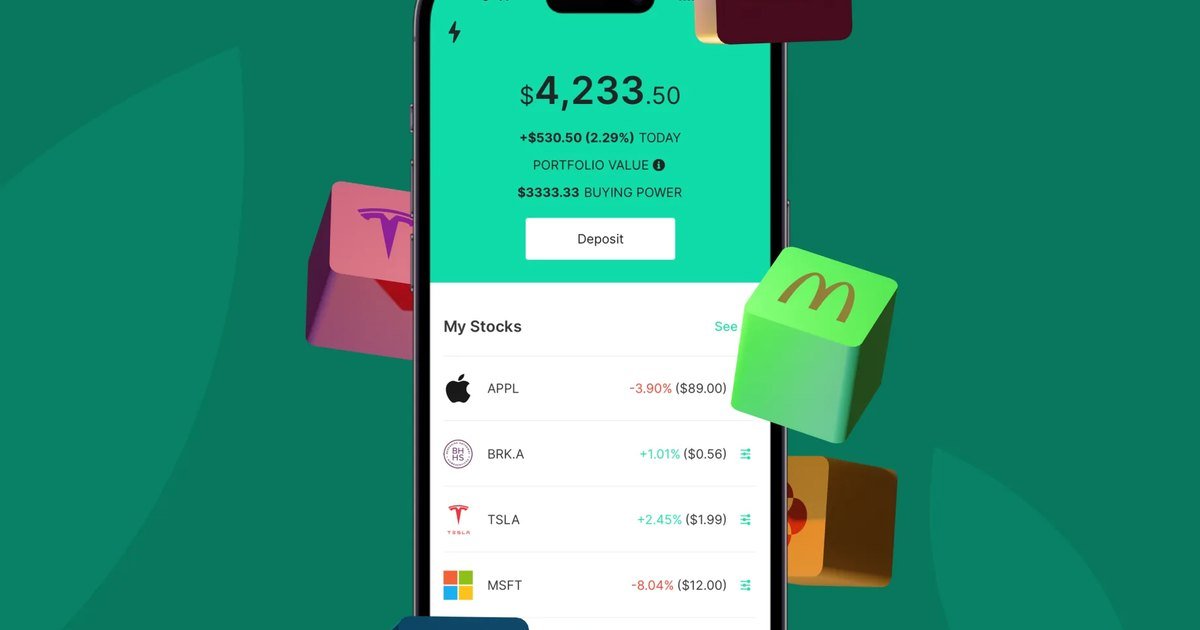
Bamboo is a brokerage in an app. It was built so Nigerians could buy US stocks and ETFs directly from a naira funded account, and Nigerian equities were added later.
The crucial word is directly. Nobody manages your money. You choose what to buy, when to buy it and when to sell, and you carry the consequences of those choices. That distinguishes it from a managed dollar platform, where a fund manager makes the decisions.
2. The Fees, in Full
| Charge | Amount | Notes |
|---|---|---|
| US stock trades | About 1.5% | Applies buying and selling |
| Naira withdrawal | ₦45 | Minimum withdrawal ₦300 |
| USD withdrawal | $45 flat | Minimum withdrawal $500 |
| Currency conversion | Built into the rate | The in app rate differs from the news rate |
The 1.5 per cent applies at both ends, so a position must gain roughly three per cent before you are level. The $45 dollar withdrawal is the sharper edge: it is nine per cent of a $500 withdrawal and under one per cent of a $5,000 one.
Neither figure is unusual for the Nigerian market. Both reward patience and punish restlessness.
3. Getting Money In and Out
Funding comes from a Nigerian bank account in your name and converts to dollars at the in app rate. Withdrawals reverse that.
- Naira withdrawals under ₦1,000,000 can reflect instantly where they meet the criteria, otherwise about one business day.
- Dollar withdrawals to a foreign or domiciliary account commonly take five to seven business days, sometimes longer depending on the receiving bank.
- The account name must match yours. Withdrawals to someone else’s account fail.
4. What It Does Well
- Genuine access. Owning a slice of a large US company from a Nigerian bank account was not practical for ordinary people a decade ago.
- Fractional shares. You do not need the price of a whole expensive share to start.
- Regulated in Nigeria. SEC registration means a Nigerian complaints route, not just a foreign terms of service page.
- Both markets. US and Nigerian equities in one account is convenient if you want exposure to both.
5. What It Does Badly
- Small dollar balances are trapped. The $500 dollar withdrawal minimum means modest dollar holdings must be taken in naira or left to grow.
- Frequent trading is expensive. Three per cent round trip is a high hurdle for anyone trading often.
- No hand holding. You pick the shares. For someone who does not want to choose, a managed platform fits better.
- Rate opacity. The conversion spread is inside the rate rather than shown as a line item, which makes it easy to underestimate.
6. Who It Suits
| If you | Bamboo is | Because |
|---|---|---|
| Want to own specific US companies | A good fit | Direct ownership, you choose |
| Want dollar exposure with no decisions | A poor fit | Try a managed dollar platform instead |
| Have ₦20,000 to try out | Workable, but mind fees | Trade once and hold, do not shuffle |
| Plan to withdraw dollars monthly | A poor fit | The flat $45 makes that expensive |
| Are saving for a dollar cost years away | A strong fit | Time absorbs both fees and volatility |
7. The Fine Print Worth Reading
Three things in the terms matter more than anything on the marketing pages.
- Who holds your assets. Shares bought through a Nigerian app are usually held via a chain of custodians and partner brokers. Knowing that chain tells you what happens if any link fails.
- What regulation covers. The SEC governs operator conduct. It does not compensate you for a share that fell.
- How dividends and any applicable taxes are treated. US dividends may have withholding applied at source before they reach you, and your own tax position in Nigeria is yours to confirm with a professional.
8. How It Compares With Trove and Risevest
Bamboo is rarely chosen in isolation. The two platforms Nigerians weigh it against work differently enough that the comparison is worth making properly.
Trove offers a wider menu, covering US, Nigerian and Chinese assets plus bonds and ETFs, from an entry point around ₦1,000. If breadth is what you want, Trove has more of it. Whether you need four markets is a separate question, and most beginners do not.
Risevest is structurally different. You are not selecting shares at all. You choose a portfolio and managers allocate across US stocks, real estate and fixed income on your behalf, all in dollars. It suits people who want dollar exposure without opinions about individual companies.
The decision comes down to one question: do you want to choose the shares? If yes, Bamboo or Trove. If no, Risevest. Everything else, including fee differences, matters less than getting that first question right, because a platform that asks you to make decisions you do not want to make will simply sit unused.
9. Getting Started, Step by Step
Step 1: Verify fully before funding
Complete ID, BVN and the liveness check first. Accounts that are funded before verification is finished can take deposits and refuse withdrawals, which feels like a problem with the platform and is actually a problem with the paperwork.
Step 2: Fund a test amount
Send a small sum and note the exchange rate you actually receive against the rate quoted publicly that day. This tells you the real cost of conversion better than any fee page.
Step 3: Buy one diversified holding
An ETF covering a broad US index spreads your money across many companies at once. It is the least exciting first purchase available and the one least likely to be regretted.
Step 4: Test the exit
Withdraw a small amount in naira while nothing is urgent. Knowing how long it takes when you do not need the money is worth more than reading about it.
Step 5: Then decide the real amount
Once the mechanics are proven, commit an amount where the 1.5 per cent fee is proportionate. Everything before this step is tuition, and it should be cheap.
10. Two Things That Catch People Out
US market hours. The US market runs on New York time, which is several hours behind Nigeria. An order placed in the Nigerian evening may sit until the market opens, and an order placed at the weekend waits for Monday. Nothing is malfunctioning. New users regularly assume a stuck order is a platform fault when it is simply a closed exchange.
The rate you see is not the rate you get. Every conversion carries a spread, and because it is built into the rate rather than shown as a separate fee, it is easy to miss. The gap between the official market rate near ₦1,350 and the parallel market near ₦1,415 in August 2026 shows how wide quoted rates can be even before a platform applies anything. Compare the in app rate against a live public rate at the moment you fund, and you will know precisely what conversion is costing you.
Frequently Asked Questions
Is Bamboo worth using in 2026?
For long term dollar denominated investing, yes. For small frequent trades, the 1.5 per cent each way and the flat $45 dollar withdrawal fee make it an expensive habit.
How much should I start with?
Enough that fees are a small share of it. Fees on ₦5,000 are proportionally punishing, while the same fees on ₦200,000 are a rounding error.
Can I withdraw anytime?
Yes, subject to minimums of ₦300 to a naira account and $500 to a dollar account, and to processing times of about a business day for naira and five to seven for dollars.
Is Bamboo better than a domiciliary account?
They do different jobs. A domiciliary account holds dollars still. Bamboo invests them, which adds both growth potential and risk.
Does Bamboo pay dividends?
Shares that pay dividends still pay them, subject to any withholding applied before the money reaches you. Check the specific holding.
What is the biggest mistake new users make?
Trading in and out of small positions. Fees at both ends mean the market has to move about three per cent before you break even.
Conclusion
Bamboo is a real, regulated route to US shares from Nigeria, and its weaknesses are all about cost structure rather than trust. Invest amounts where a 1.5 per cent fee is proportionate, avoid frequent dollar withdrawals because $45 is a flat charge, and treat it as a place to leave money rather than move it.
All figures checked August 2026 and subject to change. Confirm in the app before acting.
Disclaimer: this article is general information, not financial advice. We are not licensed financial advisers and are not regulated by the SEC or the Central Bank of Nigeria. Rates, fees, minimums and a platform’s regulatory status change, and the figures here were accurate on the date shown above. Investing carries risk, including losing money, and past performance does not indicate future results. Confirm current terms with the institution and speak to a licensed adviser before committing money. See our full disclaimer.