How to Invest in Nigeria: Every Real Option, Ranked by What It Actually Returns
There are five places most Nigerians can realistically put money in 2026: treasury bills and FGN bonds, money market and mutual funds, shares on the NGX, dollar assets, and property. Everything else is a variation on one of those, or it is not an investment at all.
Which of them makes sense right now depends on one number, and it is not the return being advertised. It is inflation.
The Number That Decides Everything
Headline inflation was 15.43 per cent in July 2026, down from 15.91 per cent in June, according to the National Bureau of Statistics. The Central Bank has held its policy rate at 26.50 per cent since May, and recent treasury bill auctions have cleared in the region of 15 to 16 per cent.
Put those side by side and you get the honest picture. A treasury bill paying around 16 per cent against inflation of 15.43 per cent earns you a real return of well under one per cent. Your money is holding its value. It is not growing.
That is the test to apply to every product on this page. Subtract inflation from the advertised return. If what remains is negative, the investment is a way of losing money slowly rather than quickly, which is sometimes the right choice and should never be mistaken for growth.
One caution on the inflation figure itself. Food inflation ran at 20.31 per cent year on year in July, well above the headline number. If most of your spending is food and transport, your personal inflation rate is higher than the official one, and the bar an investment has to clear is higher too.
1. Treasury Bills and FGN Bonds
These are loans to the federal government. They are the closest thing to a risk free return available in naira, because the government prints the currency it is repaying you in.
| Instrument | Tenor | Typical entry | How you buy |
|---|---|---|---|
| Nigerian Treasury Bills | 91, 182 or 364 days | Banks commonly ask ₦50,000 to ₦500,000 | Through your bank, or a licensed dealer |
| FGN Savings Bond | 2 or 3 years | ₦5,000, in multiples of ₦1,000 | Monthly offer through stockbrokers |
| FGN Bonds | 5 to 30 years | Large, usually via a broker or fund | Primary auction or secondary market |
| Money market funds | No fixed term | From about ₦1,000 on apps | Fund manager or investment app |
The FGN Savings Bond is the one most people overlook. It was designed for retail investors, the minimum is ₦5,000, and it pays interest twice a year. It is the cheapest legitimate entry into government paper in the country.
Rates change at every auction. Whatever number you read today, including the ones on this page, check the most recent CBN auction result before you commit, because the stop rate moves several percentage points across a year.
2. Mutual Funds and Money Market Funds
A fund pools your money with other people’s and hands it to a manager. In Nigeria the most popular type by far is the money market fund, which holds short term instruments such as treasury bills and bank placements and pays out a yield that tracks them.
The appeal is access. Buying treasury bills directly may need ₦50,000 or more at a bank. A money market fund on an app will take ₦1,000, sometimes less, and gives you roughly the same exposure minus a management fee.
Check two things before you buy any fund. First, that the manager is registered with the Securities and Exchange Commission, which you can confirm on the SEC’s own register rather than on the manager’s website. Second, the total expense ratio, because a fund charging two per cent in a 16 per cent environment is taking an eighth of your return.
3. Shares on the Nigerian Exchange
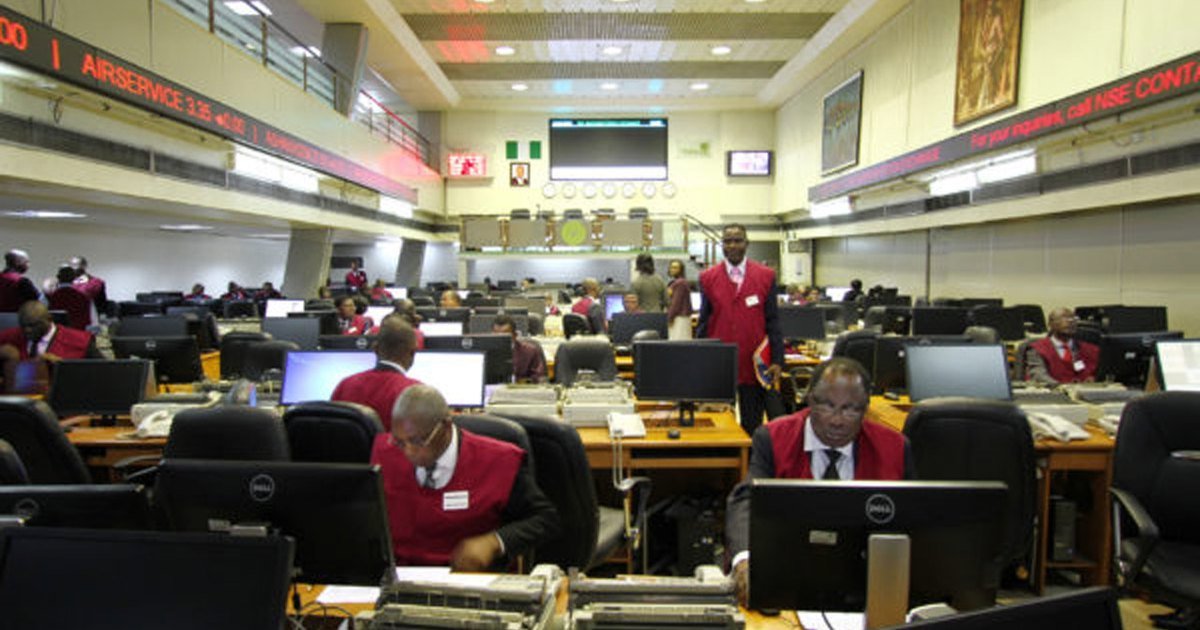
The NGX All Share Index gained about 55 per cent in the first four months of 2026, and some equity mutual funds returned more. That is the sort of number that pulls people in at exactly the wrong moment.
Two things are true at once. Nigerian equities have delivered real returns well above inflation over the past two years, and the index is dominated by a handful of banking and industrial names, so a rally can be narrower than the headline suggests. Buying an index level after a strong run is a different proposition from buying it before one.
You need a stockbroker and a CSCS account to buy directly. Most people now do it through an app that fronts a licensed broker, which is covered further down.
Dividends carry a withholding tax, deducted before the money reaches you, so the yield quoted on a stock screener is a gross figure rather than what lands in your account.
4. Dollar Assets
The naira traded around ₦1,350 to the dollar on the official market in mid August 2026, with the parallel market near ₦1,415. Holding dollars is not an investment in itself, but it is the most direct hedge against the currency risk that has eaten Nigerian savings for a decade.
Three routes are common. A domiciliary account at your bank holds dollars directly. Eurobonds, which are Nigerian government or corporate debt issued in dollars, pay a dollar coupon. And dollar investment platforms give access to US stocks and funds from a naira funded account.
The trade off is honest and worth stating. Dollar returns are lower in nominal terms than naira treasury bills. What you are buying is protection from a devaluation, not a higher headline yield. Whether that is worth it depends on how much of your future spending is priced in dollars, which for anyone paying school fees abroad or buying imported goods is more than they think.
5. Property
Property remains the default Nigerian investment and the least liquid one. Entry costs are high, transaction costs are heavy, and the market is intensely local: a plot in one part of Lagos behaves nothing like a plot 20 kilometres away.
The specific risk to price in is title. Verify the title document at the state land registry before money changes hands, and treat any deal where the seller resists that as the answer to your question. Excision and gazette status matter more than the view from the plot.
What Is Not an Investment
Nigeria has a long history of schemes that pay fixed monthly returns of eight or ten per cent and collapse. The pattern is consistent enough to be a checklist.
- A fixed monthly return, promised regardless of market conditions. Real returns fluctuate. Fixed ones are being paid from somewhere.
- Returns far above the treasury bill rate with no explanation of where the yield comes from. If a business could reliably beat government paper by 30 points, it would not need your ₦50,000.
- Referral bonuses for bringing in other investors. That is a recruitment structure, not an investment product.
- No SEC registration, or a registration number that does not appear on the SEC register when you check it.
- Pressure to act before a deadline. Legitimate funds are open next week too.
The single most useful habit is checking the SEC’s register of licensed operators before sending money anywhere. It takes two minutes and it eliminates most of what goes wrong.
How to Actually Start
A sequence that works for most people, in order:
- Clear expensive debt first. No investment in Nigeria reliably returns what a payday loan charges.
- Build a cash buffer of two to three months of expenses in something you can reach the same day, such as a money market fund.
- Put the next tranche into government paper, starting with the FGN Savings Bond if your amount is small.
- Only then add equities or dollar assets, and only with money you will not need for at least three years.
- Keep property last unless it is your primary residence, because its illiquidity punishes anyone who has to sell in a hurry.
Questions People Ask
What is the safest investment in Nigeria?
Federal government paper, meaning treasury bills, FGN bonds and the FGN Savings Bond. The government issues the currency it repays you in, so naira default risk is negligible. Currency risk is a separate matter and it is not negligible at all.
How much do I need to start investing in Nigeria?
Less than most people assume. The FGN Savings Bond starts at ₦5,000, money market funds on apps start around ₦1,000, and some savings platforms accept ₦100. Buying treasury bills directly through a bank usually needs ₦50,000 or more.
Are treasury bills still worth it in 2026?
They protect value rather than grow it. With auctions clearing near 15 to 16 per cent and inflation at 15.43 per cent in July 2026, the real return is close to zero. That is still better than cash in a current account losing the full 15 per cent.
Should I invest in dollars or naira?
It depends on what your future spending is priced in. If you pay school fees or buy imported goods, dollar exposure hedges a real liability. If all your costs are in naira, higher naira yields may serve you better. Most people benefit from holding some of each.
Is the Nigerian stock market a good investment?
It has outperformed inflation over the past two years, with the All Share Index up about 55 per cent in the first four months of 2026. That is a past return, not a forecast, and the index is concentrated in a few large names.
How do I know an investment platform is legitimate?
Check the Securities and Exchange Commission register directly for the operator name. Registration with the Corporate Affairs Commission is not the same thing, and every collapsed scheme in Nigerian history had a CAC certificate.
Do I pay tax on investment returns in Nigeria?
Dividends have withholding tax deducted at source before payment. Rules on other instruments have changed several times in recent years, so confirm the current position with a tax adviser or the FIRS rather than relying on an article.
In Brief
Inflation of 15.43 per cent is the bar. Treasury bills near 15 to 16 per cent clear it barely, money market funds give the same exposure from ₦1,000, the FGN Savings Bond opens government paper at ₦5,000, equities have run hard, and dollar assets buy protection rather than yield. Anything promising a fixed monthly return well above those numbers is not competing with them, it is a different kind of thing entirely.
Before You Commit Anything
Rates in this article were accurate in August 2026 and will move. Check the latest CBN auction result and the current NBS inflation print before deciding, and check the SEC register before sending money to any platform, however well known its adverts are.
Disclaimer: this article is general information, not financial advice. We are not licensed financial advisers and are not regulated by the SEC or the Central Bank of Nigeria. Rates, fees, minimums and a platform’s regulatory status change, and the figures here were accurate on the date shown above. Investing carries risk, including losing money, and past performance does not indicate future results. Confirm current terms with the institution and speak to a licensed adviser before committing money. See our full disclaimer.