Is Land a Good Investment in Nigeria? The Returns and the Real Risks
It can be, and it is also where Nigerians lose more money than in any other asset class. Land has produced life changing returns for people who bought in the right corridor and held, and total losses for people who paid for land the seller did not own.
The difference between those two outcomes is almost never the price paid. It is the paperwork. This guide covers what makes land a genuinely good investment, what makes it a disaster, and how to tell which one you are looking at.
1. Why Land Attracts Nigerian Money
Three reasons, all of them rational.
It survives inflation. With prices rising 15.43 per cent in the year to July 2026, naira in the bank shrinks. Land is a physical asset whose price tends to move with the general price level rather than against it.
It cannot be devalued by a policy announcement. A plot does not lose half its value because a rate changed overnight, which is more than can be said for currency holdings.
It is culturally trusted. Nigerians who will not touch shares will happily buy land, because land is understood, visible and inheritable in a way a brokerage statement is not.
None of that is wrong. It just says nothing about whether a specific plot at a specific price is a good buy.
2. The Returns Are Real but Slow and Lumpy
Land appreciates in bursts rather than smoothly. A plot sits flat for years, then a road is tarred, a bridge opens, an estate arrives or a government announces a project, and prices in that corridor move sharply.
The practical implication is that land rewards patience and location judgment, not timing. Buying ahead of infrastructure is where the returns are, and it requires holding through years of nothing happening. Anyone who may need the money within three years is in the wrong asset.
Be sceptical of specific percentage promises. Marketing that guarantees your land will appreciate by a set figure within a set period is selling a forecast nobody can honour.
3. The Costs Nobody Mentions in the Advert
| Cost | What it is | Roughly when |
|---|---|---|
| Survey and charting | Confirming the plot is where the seller says and is not under government acquisition | Before payment |
| Legal fees | Solicitor conducting searches and preparing the deed | At purchase |
| Deed of assignment | The document transferring ownership to you | At purchase |
| Governor’s consent | State approval of the transfer, required for a valid title | After purchase |
| Development levies | Estate or community charges where applicable | Varies |
| Fencing and security | Unfenced land invites encroachment | Soon after purchase |
Budget beyond the asking price. The purchase price is the beginning of the cost, and skipping the legal steps to save money is how people end up owning a receipt rather than a plot.
4. How People Actually Lose Money on Land
- Buying from someone who does not own it. The classic case. A family member sells land the wider family has not agreed to sell, and the rest of the family reappears after you build.
- Buying land under government acquisition. Some land is committed to future public use. It looks ordinary and cannot be safely built on. A charting search at the state survey office reveals this and takes days rather than months.
- Double selling. The same plot sold to several buyers, discovered when two people arrive to build.
- No governor’s consent. Under the Land Use Act, transfers require the governor’s consent to be fully valid. A deed alone, without consent, leaves you exposed.
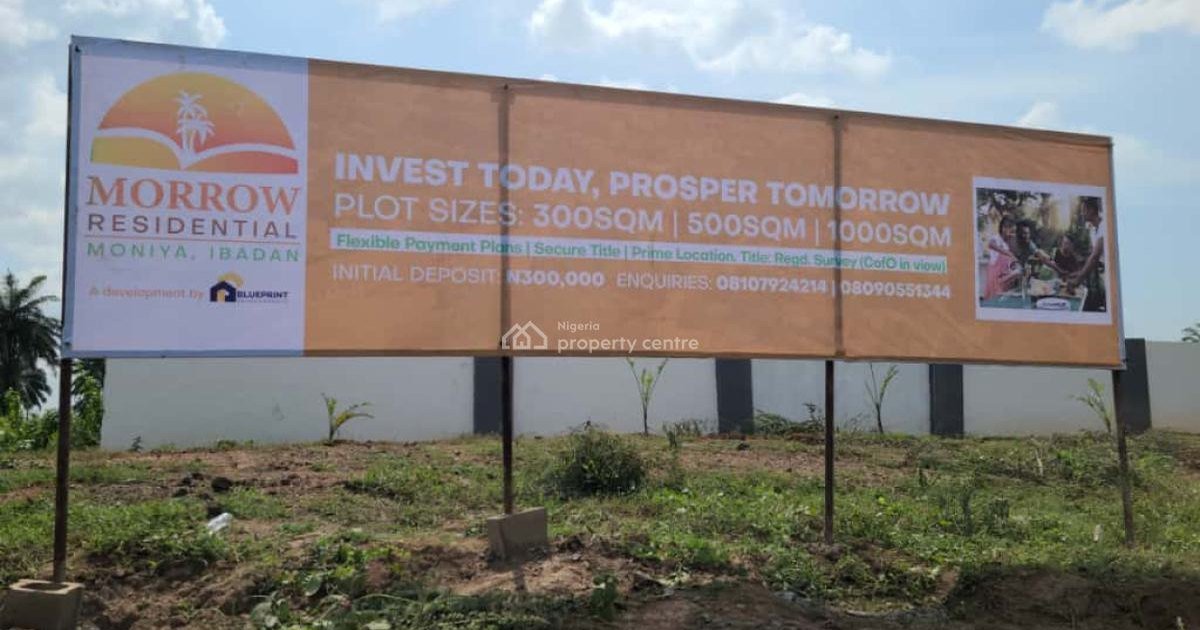
- Buying an estate that does not exist. Payment plans for plots in developments that never materialise, sold on social media with a rendering and a countdown timer.
- Encroachment on idle land. An unfenced, unvisited plot in a growing area attracts occupation, and removing occupants is slow and expensive.
5. The Checks That Prevent Almost All of It
Search at the state land registry
This confirms the registered owner and whether the land carries encumbrances. It is the single most valuable few days you will spend, and it is done through a solicitor.
Charting at the survey office
This confirms the coordinates on the survey plan are where the seller says, and whether the plot falls under government acquisition or a road setback.
Ask about excision and gazette
For land held under family or community title, excision is the process by which the state releases land back to the community, and the gazette is the published record of it. Land without excision in an area requiring it is a different and riskier proposition, and the seller should be able to show the documentation rather than describe it.
Visit the site, more than once
Go with someone local, ask neighbours who owns it, and go at a different time of day. Disputes are usually known locally long before they are known legally.
Pay traceably, to the right entity
Bank transfer to the seller of record, never cash to an intermediary, and never to a personal account when buying from a company.
6. Land Versus the Alternatives
| Land | Treasury bills | Mutual funds | |
|---|---|---|---|
| Entry cost | High | ₦50,000 upward at a bank | From about ₦1,000 on apps |
| Liquidity | Poor, months to sell | Matures in 91 to 364 days | Usually days |
| Main risk | Title fraud | Inflation outpacing yield | Market movement |
| Effort | High, and ongoing | Almost none | Almost none |
| Return pattern | Lumpy, driven by infrastructure | Steady, currently near inflation | Depends on fund type |
Land is not a substitute for liquid savings and should never be bought with money that might be needed at short notice. It works as the long horizon portion of a portfolio, after an emergency fund exists elsewhere.
7. Buying From a Family Versus Buying From an Estate
These are two completely different transactions and they fail in different ways.
Family or community land is usually cheaper, and the risk is authority. Nigerian family land is often held collectively, so a sale needs the agreement of the recognised head and principal members rather than one enthusiastic relative. Ask who the accredited signatories are, insist that they sign, and confirm the excision and gazette position where the land sits in an area that requires it. A cheap plot with a contested signature is not cheap.
Estate land from a developer costs more and shifts the risk to delivery. The title may be sound while the estate itself is years behind schedule, the promised road never arrives, or the company runs out of money mid project. Here you are assessing a company as much as a plot: how many estates has it actually delivered, can you visit one that is complete and occupied, and does the allocation letter name a specific plot or a general area?
A useful rule for either route: if the seller resists a formal search, the search has already told you what you needed to know.
Frequently Asked Questions
Is land still a good investment in Nigeria in 2026?
For a buyer with a long horizon, clean title and patience, yes. For anyone who needs liquidity or cannot complete proper searches, no. The asset is sound and the process is where the risk lives.
How do I know land is genuine before buying?
Conduct a search at the state land registry and a charting at the survey office, both through a solicitor, and confirm excision and gazette status where the land is community held.
What is the most common land scam in Nigeria?
Sale by a person or family branch without authority to sell, followed by land under government acquisition being sold as ordinary land.
Do I need a lawyer to buy land?
Practically, yes. The searches that prevent the expensive mistakes are conducted by solicitors, and legal fees are a fraction of the cost of losing the plot.
What is governor’s consent and do I need it?
Under the Land Use Act, land transfers require the state governor’s consent to be fully valid. Without it your position is weaker than the deed alone suggests.
Is buying land better than mutual funds?
They are not competing. Land is illiquid, long horizon and effort intensive. Funds are liquid, passive and modest. Most people benefit from having liquid savings first and land later.
Should I buy land on a payment plan from an advert?
Only after the same searches you would do for an outright purchase, and only where the developer and the title are verifiable. Renderings and countdown timers are marketing rather than evidence.
Conclusion
Land is a good Nigerian investment for people who buy verified title in a corridor with infrastructure coming, and hold for years. It is a catastrophic one for people who skip the searches to save legal fees.
Do the registry search, do the charting, confirm excision where relevant, get governor’s consent, pay traceably, and fence what you buy. Every one of those steps costs less than the plot, and together they remove nearly all of the risk that makes land frightening.
Disclaimer: this article is general information, not financial advice. We are not licensed financial advisers and are not regulated by the SEC or the Central Bank of Nigeria. Rates, fees, minimums and a platform’s regulatory status change, and the figures here were accurate on the date shown above. Investing carries risk, including losing money, and past performance does not indicate future results. Confirm current terms with the institution and speak to a licensed adviser before committing money. See our full disclaimer.